Unlock Optimal Health: Your Essential Guide to Nutrition & a Balanced Diet
In a world buzzing with diet trends and conflicting health advice, understanding the fundamentals of nutrition and a balanced diet can feel overwhelming. Yet, it remains the cornerstone of overall well-being, influencing everything from our energy levels and mood to disease prevention and longevity. Far beyond mere calorie counting, nutrition is about fueling your body with the right building blocks it needs to thrive. This comprehensive guide will demystify healthy eating, breaking down the essential components of a balanced diet and offering practical, sustainable strategies to integrate them into your daily life. Prepare to embark on a journey towards a healthier, more vibrant you, powered by informed food choices.
Understanding the Pillars of Balanced Nutrition
A truly balanced diet provides your body with a spectrum of essential nutrients, typically categorized into macronutrients and micronutrients. Macronutrients – carbohydrates, proteins, and fats – are needed in larger quantities and provide energy. Carbohydrates are the body’s primary fuel source, found in whole grains, fruits, and vegetables. Proteins are vital for building and repairing tissues, found in lean meats, fish, eggs, legumes, and nuts. Healthy fats, from avocados, nuts, seeds, and olive oil, are crucial for hormone production, nutrient absorption, and organ protection.
Micronutrients, including vitamins and minerals, are required in smaller amounts but are indispensable for countless bodily functions. For instance, Vitamin C supports the immune system, iron carries oxygen in the blood, and calcium strengthens bones. The key to obtaining all these vital nutrients lies in diversifying your food intake across various food groups daily:
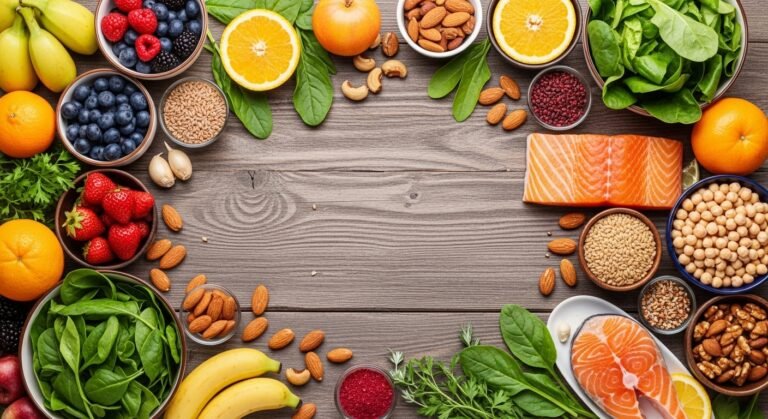
Fruits and Vegetables: Aim for a colorful array daily. They are packed with vitamins, minerals, fiber, and antioxidants.
Whole Grains: Choose options like brown rice, oats, quinoa, and whole-wheat bread over refined grains for sustained energy and fiber.
Lean Proteins: Include poultry, fish, beans, lentils, tofu, and lean cuts of meat to support muscle health.
Healthy Fats: Incorporate sources like avocados, nuts, seeds, and olive oil in moderation.
Dairy or Alternatives: Opt for low-fat dairy or fortified plant-based milks for calcium and Vitamin D.

Implementing a Healthy Diet: Practical Tips for Lasting Change
Transitioning to a healthier diet doesn’t have to mean drastic restrictions; it’s about making consistent, informed choices. One of the most effective strategies is meal planning. Dedicate time each week to plan your meals and snacks, create a shopping list, and perhaps even do some prep work. This reduces impulse buying and ensures you have nutritious options readily available. Remember to prioritize hydration; water is often overlooked but crucial for metabolism, energy, and overall bodily function. Aim for at least 8 glasses a day, more if you’re active or in a warm climate.
Mindful eating is another powerful tool. Slow down, savor your food, and pay attention to your body’s hunger and fullness cues. This helps prevent overeating and enhances your enjoyment of meals. Become a label reader; understanding nutritional labels empowers you to make healthier choices, steering clear of excessive added sugars, unhealthy fats, and sodium. Lastly, cook at home more often. Preparing your own meals gives you complete control over ingredients and portion sizes, making it easier to maintain a balanced diet. Small, consistent changes add up to significant long-term health benefits, making your healthy eating journey sustainable and enjoyable.
Frequently Asked Questions
What is the primary difference between macronutrients and micronutrients?
Macronutrients (carbs, proteins, fats) are needed in large quantities for energy and building blocks, while micronutrients (vitamins, minerals) are required in smaller amounts for various bodily functions.
How much water should I drink daily for optimal health?
While it varies, a general guideline is around 8 glasses (2 liters) of water per day, increasing with physical activity or hot weather.
Are diet supplements necessary for everyone?
No, a well-balanced diet typically provides all necessary nutrients. Supplements are usually only beneficial if there’s a specific deficiency or dietary restriction, and should be discussed with a healthcare professional.
What are some easy ways to increase my vegetable intake?
Add vegetables to eggs, sandwiches, and pasta dishes, snack on raw veggies with hummus, or blend them into smoothies. Aim for a variety of colors daily.
Conclusion
Embracing good nutrition and a balanced diet is more than just a momentary effort; it’s a lifelong commitment to your well-being. By understanding the foundational role of diverse nutrients and implementing practical strategies like meal planning and mindful eating, you empower yourself to make choices that nourish your body and mind. Remember that sustainable change comes from consistency, not perfection. Celebrate small victories, be patient with yourself, and enjoy the journey of discovering what truly fuels your unique body. A healthy plate leads to a healthier life, filled with energy, vitality, and resilience to face whatever comes your way. Start today, one conscious bite at a time, towards a brighter, healthier future.